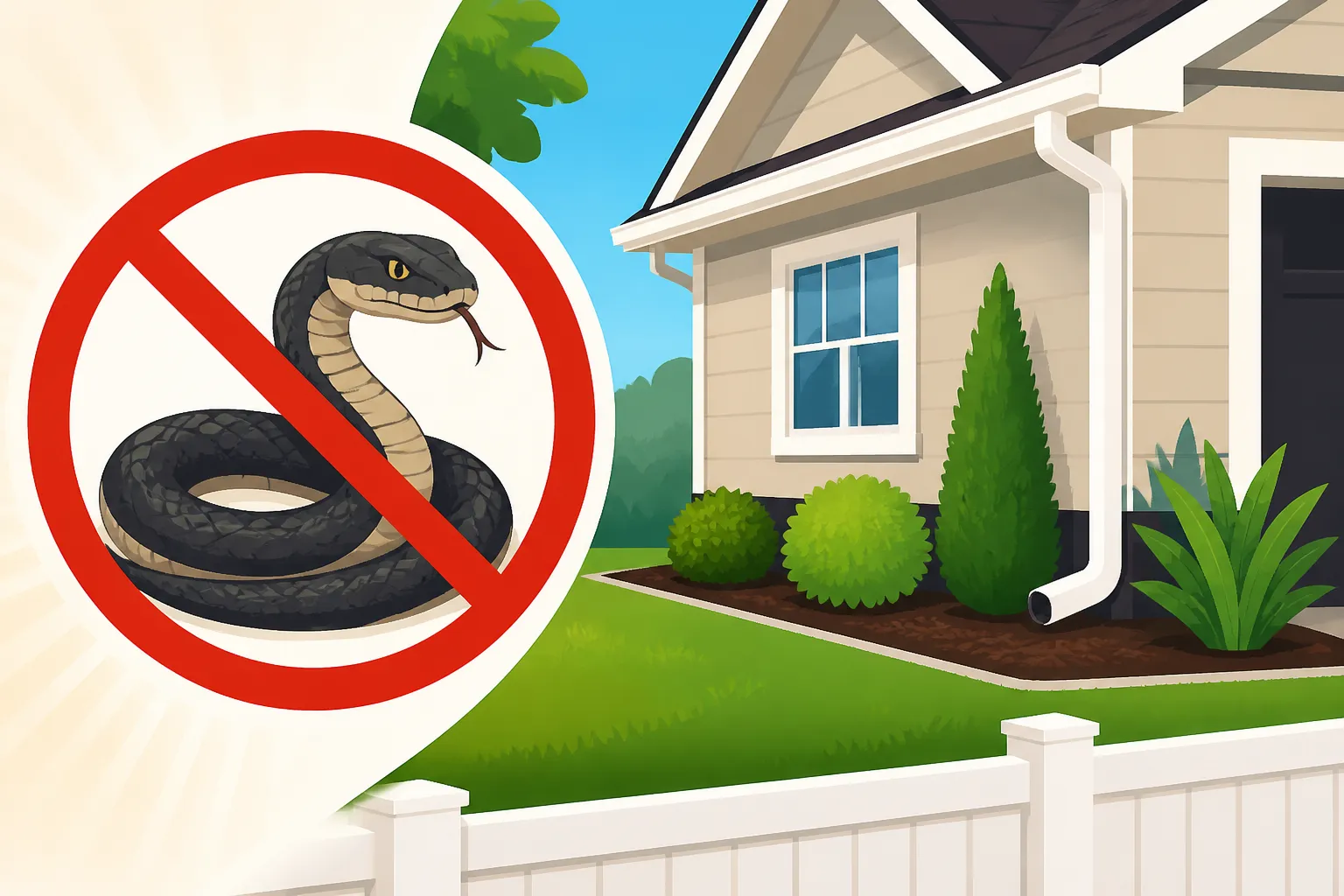
Keeping Snakes Away From Your Indiana Home
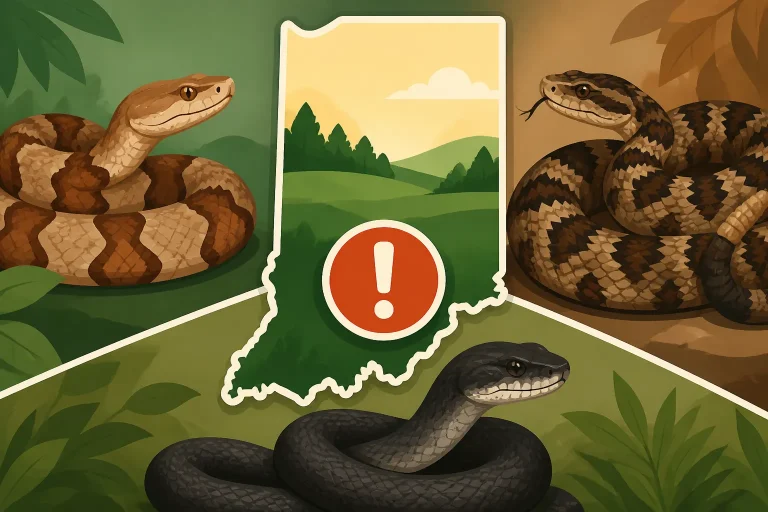
Snakes near a house are unsettling, but a sighting often means the yard offers shelter, food, or a route through—not that a snake is trying to get inside. The most reliable prevention is to reduce hiding places and prey, close gaps into buildings, and know what to do if one appears.
Why Snakes Visit Indiana Homes
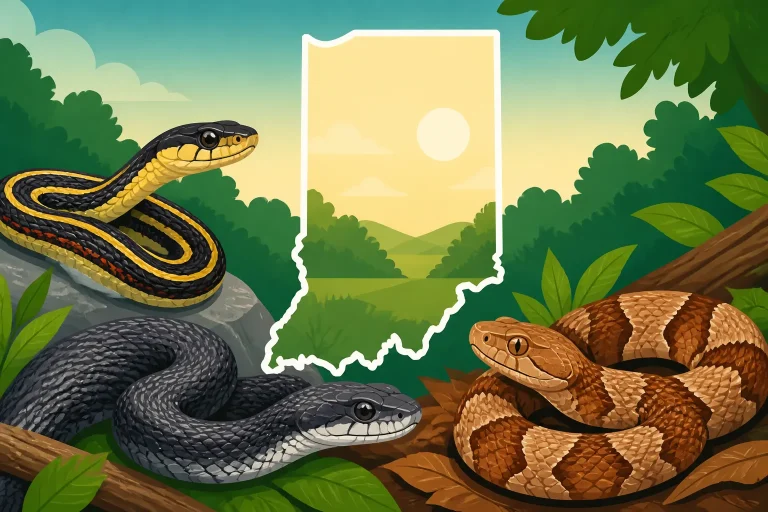
Snakes use yards and buildings as part of a larger landscape. A home near fields, woods, wetlands, a creek, or other natural cover may see occasional visitors even when the property is well maintained. Snakes can also travel through residential areas while looking for food, shelter, or a place to warm themselves.
A yard becomes more inviting when it offers several useful features at once: cover to hide under, food to hunt, water, and openings that lead into a sheltered structure. Removing one feature can help, but managing the combination is more effective. For a broader look at what may bring them near a house, see Why Do Snakes Keep Showing Up in My Indiana Yard?.
Cover gives snakes places to hide
Snakes prefer places where they can stay concealed from people and predators. Common yard features that provide cover include:
- Tall grass and dense weeds
- Brush, leaf litter, or piles of branches
- Rocks, landscape edging, and stacked materials
- Woodpiles and lumber stored on the ground
- Clutter beneath decks, sheds, or porches
- Gaps around foundations and other structures
These features are not proof that a snake lives on the property. They simply create sheltered places a snake may pass through or use. A tidy yard can lower the number of convenient hiding spots, but it cannot guarantee that a snake will never cross the property.
Prey can make the yard attractive
Snakes eat different kinds of prey, depending on the species. Small mammals, frogs, and other animals may be part of the food supply around a home. If those animals are finding easy shelter or food nearby, a snake may follow the same opportunities.
Pay attention to conditions that feed or shelter small animals: spilled birdseed, unsecured pet food, accessible garbage, clutter, and overgrown vegetation. Addressing these conditions is useful even if the animal activity is not caused by snakes. The linked article Removing the Food and Water That Draw Snakes Close to the House covers practical ways to reduce these attractions.
A snake outdoors does not necessarily mean an indoor problem
A snake seen in the yard may be moving through rather than settling in. A sighting near a garage, foundation, or porch is a reason to check for gaps, but it does not by itself prove that a snake has entered the building. Look for a plausible entry opening and other signs before concluding there is an indoor issue.
Avoid trying to determine whether an unknown snake is safe by its color, size, or behavior. If you cannot identify it confidently from a safe distance, give it room and ask a qualified professional or the Indiana wildlife agency for guidance.
Inspect the House for Entry Points
The best way to keep snakes out of a house is to make the structure harder to enter. A snake can use a surprisingly small opening if its body can fit through it, so inspect more than the obvious doorway. Focus on the foundation, basement, garage, crawlspace, utility penetrations, and low openings around additions.
Do the inspection from a safe position. Do not put a hand into a gap, lift a board, or reach beneath a structure if you cannot see what is there. If a snake is present, keep away and return to the inspection after it has left or a professional has addressed the situation.
Check low openings first
Walk around the outside of the home and look for:
- Gaps where the foundation meets siding, steps, or a porch
- Openings around pipes, cables, vents, and utility lines
- Loose or missing sections of door sweeps
- Gaps beneath exterior doors, especially at a garage
- Damaged crawlspace screens or vent covers
- Openings around basement windows and window wells
- Cracks or holes in a foundation or attached structure
- Spaces where deck boards or skirting meet the ground
A small opening may be easy to overlook when it is behind a downspout, shrub, stored item, or raised deck. Move outdoor objects carefully and avoid reaching into concealed spaces.
Seal gaps with materials suited to the opening
The right repair depends on what needs sealing. A durable patch, fitted cover, or properly installed screen may be more appropriate than a temporary wad of material. Do not block a vent or drainage route that the building needs. If a gap is part of a larger foundation or construction issue, consider having a qualified contractor assess the repair.
A seal should meet the edges of the opening without leaving another route beside it. After repairing one spot, check the surrounding area: closing a gap can draw attention to an adjacent opening that was previously less noticeable. For detailed household exclusion considerations, see Sealing Foundation Gaps So Snakes Can’t Slip Into the Basement.
Maintain doors, screens, and window wells
A door that does not close tightly can leave a direct opening into a garage or basement. Check whether the door sits squarely in its frame, whether the sweep contacts the floor, and whether the threshold or weather stripping has worn away. Repair torn screens and fit covers securely over openings that need to remain ventilated.
Window wells need particular attention because leaves, debris, or stored objects can create cover close to a basement window. Keep wells clear, maintain secure covers where appropriate, and make sure the window itself closes and seals properly.
| Area to check | What to look for | Practical action |
|---|---|---|
| Exterior doors | Gaps below the door, damaged sweeps, loose thresholds | Adjust or replace worn parts so the door closes tightly |
| Foundation | Cracks, holes, open joints, exposed utility gaps | Use a suitable durable repair or get a contractor’s assessment |
| Vents and screens | Torn mesh, loose covers, missing sections | Repair or securely replace the cover without blocking needed airflow |
| Basement windows | Loose frames, gaps, cluttered window wells | Repair the frame and keep the well clear |
| Garage | Door that does not meet the floor, clutter near edges | Maintain the door seal and keep storage away from the opening |
| Deck or porch | Openings beneath skirting or at the foundation | Close accessible gaps while preserving drainage and ventilation |
Make the Yard Less Useful as Shelter
Yard changes are most effective when they reduce places to hide while keeping the property usable. The goal is not to strip every garden or remove all wildlife habitat. It is to avoid creating sheltered, undisturbed pockets right beside the house, garage, or areas where people and pets spend time.
Keep grass and vegetation under control
Mow regularly and trim vegetation where it touches the house, foundation, steps, or shed. Keep paths and frequently used areas visible so you can spot an animal before stepping near it. Remove dense weed growth from narrow strips alongside walls and clear overgrown vegetation from around stored materials.
This does not mean every plant needs to go. Instead, create a maintained area close to buildings and keep dense, unmanaged cover farther from doors, play areas, and walkways where practical. Check that shrubs do not conceal foundation openings or prevent you from seeing the ground around them.
Store wood and materials carefully
Woodpiles, rock piles, boards, and yard debris offer sheltered spaces. Store materials in an orderly way, off the ground where feasible, and away from the house. Keep the area around a stack visible and accessible for inspection. Avoid letting grass or weeds grow into or around the storage area.
Do not reach blindly beneath a pile or move a heavy object by hand if you cannot see what is under it. Wear suitable protective gear for ordinary yard work, and use tools to move material without putting fingers into concealed spaces. More examples of household hiding spots appear in Woodpiles, Rock Piles and Tall Grass: Snake Hiding Spots at Home.
Reduce clutter beneath structures
The space beneath a deck, porch, shed, or set of stairs can become a sheltered refuge when it is dark and packed with stored items. Remove unnecessary clutter and keep the perimeter visible. If you use skirting or screening to close the space, install it securely and maintain any drainage or ventilation the structure requires.
Before clearing a concealed area, look and listen from a distance. Do not crawl into a space or reach into it to investigate a possible snake. If you find one, keep people and pets away and seek help rather than trying to corner or remove it yourself.
Manage leaves and yard debris
Leaf piles, brush, and unused branches can shelter small animals as well as snakes. Clear debris from beside the house, basement windows, and frequently used areas. If you compost, choose and maintain a location that does not create a hidden, undisturbed pile immediately beside the home. Keep the area around the compost visible and avoid placing it beside doors or play spaces.
A single pile does not mean snakes are present. The point is to avoid a string of connected hiding places that makes it easy for an animal to move unseen from the yard to the foundation.
Keep water and food sources tidy
Fix water leaks and avoid leaving standing water where practical. Store garbage in secure containers and clean up spilled birdseed and pet food. Feed pets indoors when possible; if they eat outside, remove leftover food promptly. These steps can discourage small animals that may attract predators.
Bird feeders are not automatically a problem, but seed that accumulates beneath them can draw rodents. Keep the area under a feeder clean and consider whether its placement brings wildlife activity close to the house. For a more detailed prevention checklist, see Tidying Garbage and Pet Food Around an Indiana Yard.
Reduce the Small Animals That Attract Snakes
When prey is abundant, removing only a snake’s hiding spot may not address why it keeps visiting. Look for conditions that help small animals feed, nest, or shelter near the home. The aim is to make the yard less rewarding, not to treat every mouse or frog as a threat.
Close off animal access to food
Keep food in containers that animals cannot easily open. Store pet food indoors, close garbage lids, and clean up scraps from outdoor eating areas. If a bird feeder is part of the yard, sweep up spilled seed and inspect the ground below it. Compost and garden produce should be managed so they do not become easy food sources.
If you keep chickens or other animals, store feed securely and clean up spilled grain. Close openings into coops and outbuildings so small animals cannot use them as shelter. A secure food source reduces the chance that rodents will establish themselves nearby.
Remove easy nesting places
Clutter, dense weeds, and undisturbed materials can provide cover for small animals. Keep storage organized, trim vegetation near the house, and avoid leaving unused boxes, fabric, or debris on the ground. Check sheds and garages for openings that let animals enter and nest.
Do not use poison or other chemicals casually to reduce prey. Pesticide products must be used according to their labels, and children and pets must be kept safe as the label directs. If you are considering a pesticide, read the full label and consult a qualified professional when needed. Never mix products or use a product in a way its label does not allow.
Avoid creating a chain of cover
A yard can have many separate features that, together, form a concealed route from a woodpile or garden to the foundation. Look at the property as a connected layout: where could an animal move while staying hidden? Move stored materials away from the house, maintain a visible strip beside the foundation, and keep vegetation from bridging the gap between dense cover and an entry point.
This approach is usually more practical than trying to eliminate all wildlife from the property. Some animals may still pass through, especially where a home borders natural habitat. A clear perimeter and sealed structure reduce the opportunities for a snake to hide close to people or enter the building.
Use Repellents and Products With Realistic Expectations
Snake repellents are often marketed as a quick way to clear a yard, but a product is not a substitute for closing entry gaps and removing shelter or prey. No product should be treated as a guarantee that snakes will stay away. Before buying or using any pesticide or repellent, check whether it is registered for the intended use and follow every direction on its label.
For a closer look at product claims and label considerations, see Snake Repellents in Indiana: Do They Work, and What the Label Says.
Read the label before using any chemical product
The product label specifies where and how the product may be used, as well as precautions for people, pets, and the environment. Follow the label exactly. Do not apply a product indoors if it is labeled only for outdoor use, apply it near a place the label excludes, or use more than the label allows. Restricted-use pesticides are for licensed applicators only.
A pesticide sold online or in a store is not automatically appropriate for every yard, building, or animal. If the label does not clearly allow the intended use, do not use the product for that purpose. Contact a licensed professional or the relevant state authority for guidance.
Be wary of shortcuts that promise a snake-free yard
A device, scent, or scattered material may be marketed as a reliable barrier, but it does not fix a gap in the foundation, remove cover, or secure a garage door. Treat strong guarantees cautiously. If the core conditions remain—open entry points, abundant shelter, or plentiful prey—temporary products are unlikely to be a dependable long-term plan.
Avoid putting chemicals in or around an opening without knowing whether the product is permitted for that location. Never use a chemical to try to force a snake out of a concealed space. That can create additional exposure risks and may not resolve the entry problem.
Consider the full cost of repeated treatments
Products have a purchase cost, but the time spent reapplying them and the need to address the original conditions matter too. If a recurring concern remains after basic exclusion and yard maintenance, compare the cost of continuing with products against the cost of getting a qualified assessment. Ask what work is proposed, whether it addresses the entry route or only the visible snake, and how the professional will protect people and pets.
What to Do When You See a Snake
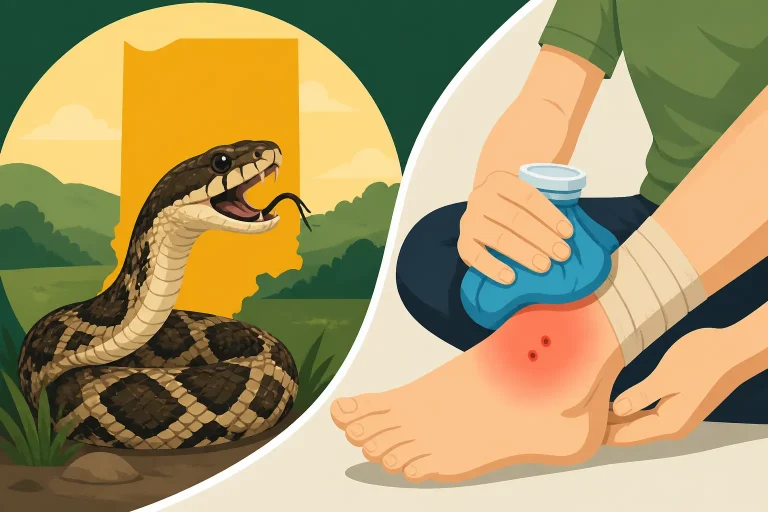
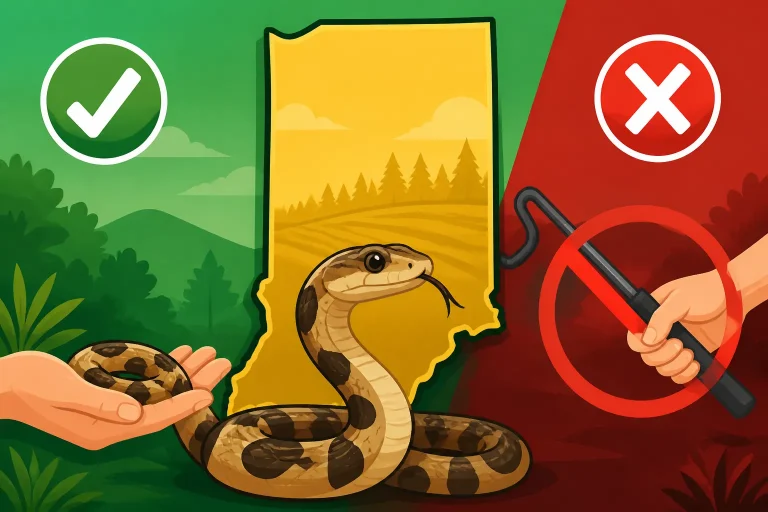
Prevention lowers the chance of close encounters, but it cannot make an outdoor property completely snake-free. If you see a snake, focus on keeping people and animals separated from it. Do not try to catch it, handle it, corner it, or kill it. A snake may defend itself if approached or disturbed, and an unknown species should not be judged safe based on appearance.
Give it space and keep others away
Stop where you are and move away without approaching the snake. Bring children and pets indoors or to another area. Do not attempt to move the snake with a broom, shovel, bucket, or other tool. Do not block its path or push it toward a doorway.
If the snake is outside and not creating an immediate risk, leaving it alone may allow it to move on. Keep watch from a safe distance if needed, but do not follow it into brush, beneath a deck, or into another concealed area.
If a snake is inside the house, keep people and pets out of the room and close an interior door if you can do so without getting close to the animal. Do not attempt to guide it toward an exterior exit or trap it in a container. Contact a qualified wildlife professional for help. For situation-specific steps, see Found a Snake in Your Indiana Yard or House? Start Here.
Do not rely on a quick visual identification
Color and pattern can be difficult to interpret, especially when a snake is partly hidden, viewed in poor light, or seen only briefly. Similar-looking species can be confused, and appearance alone is not a reliable reason to handle an animal. If identification matters, take a photo only if it can be done from a safe distance; never approach or disturb the snake to get a better picture. What Snake Is This? Identifying Snakes Around Indiana Homes explains how to think about an identification without putting yourself close to the animal.
If you are unsure what you saw, keep your distance and contact a professional or the Indiana wildlife agency. Do not try to capture or transport the snake for identification.
When professional help makes sense
Consider contacting a licensed wildlife control operator if a snake is inside, repeatedly appears in a building, or is in a location where people cannot safely avoid it. Ask whether the operator is appropriately licensed, what the proposed service includes, and whether the plan will address the entry point rather than only the individual animal. Indiana’s rules and the operator’s permissions may apply, so verify details with the state or the professional before work begins.
The article Hiring a Wildlife Control Operator for a Snake in Indiana offers questions to consider when seeking help. If a snake may be protected or the legal status is uncertain, do not disturb it; ask the Indiana wildlife agency for guidance.
Keep Prevention Going Through the Seasons
Snake activity and visibility can change with weather and conditions. A yard may look quiet for a while and then produce a sighting after vegetation grows, materials are moved, or outdoor temperatures change. Regular, low-risk maintenance is more useful than waiting until a snake appears and then making rushed changes.
Check high-risk spots during routine maintenance
Include the foundation, garage doors, window wells, shed edges, and deck perimeter in ordinary home checks. Look for new holes, damaged screens, shifted covers, and vegetation that has grown against the house. Recheck repairs after storms or other work that could disturb soil, siding, or stored materials.
Before gardening, mowing, or moving firewood, scan the area for animals. Use a tool to move objects that conceal the ground, and avoid putting hands where you cannot see. If you spot a snake, stop and give it room rather than trying to finish the task around it.
Keep shared areas visible
Make sure the route from the house to a shed, woodpile, garden, or outdoor seating area is easy to see. Move frequently used items away from dense vegetation and keep paths clear of debris. Consider where children play and where pets are let outside; clear, maintained areas are easier to supervise than cluttered corners.
Pet owners can take additional precautions around resting areas, feeding spots, and stored materials. See Copperheads, Dogs and Cats: Keeping Indiana Pets Safe From Snakes for considerations specific to household animals.
Set a manageable maintenance routine
A short recurring check is easier to maintain than a major cleanup after cover has accumulated. Use a simple list:
- Check doors, screens, and low openings for damage.
- Trim vegetation touching the house or hiding the foundation.
- Clear debris from window wells, paths, and the building perimeter.
- Keep firewood, lumber, and other stored materials orderly and away from the house.
- Secure garbage, pet food, birdseed, and animal feed.
- Note recurring sightings and the exact location without approaching the snake.
If the same area continues to attract snakes, look for a nearby source of shelter, prey, water, or an opening into a structure. Addressing the underlying condition is more durable than reacting to each sighting separately.
Frequently Asked Questions
Can I guarantee that snakes will never enter my Indiana yard?
No. A home near natural habitat may still have occasional visitors. Sealing building gaps, reducing cover close to the house, and managing prey can lower the chance of close encounters and indoor entry, but cannot guarantee a snake-free yard.
Does seeing one snake mean there are more nearby?
Not necessarily. A single sighting does not establish that snakes are living on the property or inside a building. Check for accessible cover and entry gaps, but do not disturb piles or concealed spaces to search for animals.
Should I use a snake repellent instead of sealing gaps?
No. A repellent does not repair an entry point or remove shelter and food sources. Read any product label carefully, use products only as allowed, and treat product claims with caution. Physical exclusion and yard maintenance are the more practical starting points.
What should I do if I cannot identify a snake?
Keep your distance and do not handle it. Contact a qualified professional or the Indiana wildlife agency for guidance. If a snake is inside or cannot be avoided safely, keep people and pets away and seek professional assistance.
Disclaimer
This article is for general informational purposes only and does not constitute professional advice. Laws, prices and regulations vary by location and change over time. Consult a qualified professional for guidance on your specific situation. Indiana Critter Guide is not a government agency or pest control company and is not affiliated with any government agency.